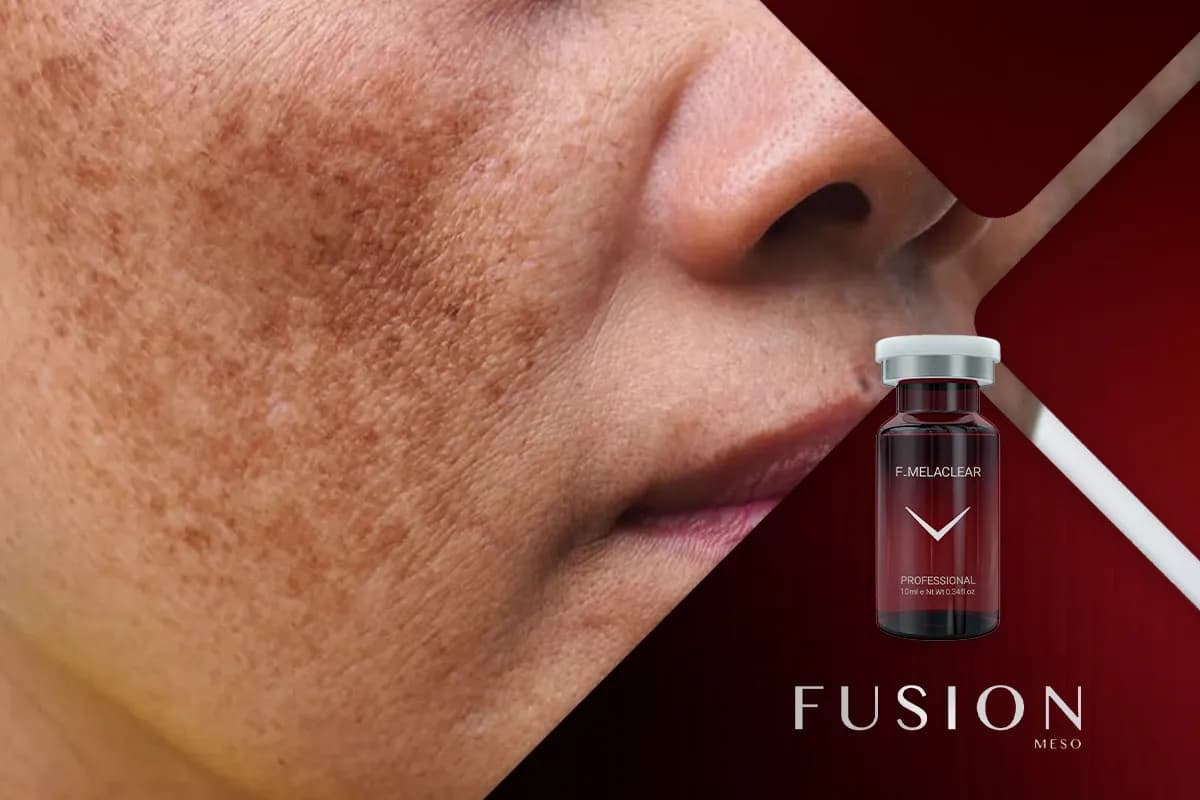
Types of Facial Pigmentation and Their Treatment
A complete guide to the different types of facial pigmentation and effective methods for treating and reducing them.
What Is Skin Pigmentation?
Pigmentation, commonly known as skin discoloration or dark spots, is the excessive and benign accumulation of melanin in a specific area of the skin. Melanin is the main pigment responsible for the color of the skin, hair and eyes.
Facial pigmentation is usually not considered a serious medical condition and is mostly a cosmetic concern. However, it is one of the most common skin problems in the beauty and skincare field. Almost everyone may develop some type of pigmentation during their lifetime, which makes prevention and proper skincare very important.
What Causes Skin Pigmentation?
Several factors can lead to skin pigmentation, but one of the most common causes is exposure to sunlight. To better understand this process, it is important to learn about ultraviolet radiation and the role of melanin.
Ultraviolet Radiation
Ultraviolet radiation, or UV radiation, is a type of solar radiation with a short wavelength and high energy. It can pass through the ozone layer and reach the earth’s surface. Excessive exposure to UV radiation may damage skin cells and contribute to pigmentation, premature aging, sunburn and skin cancer.
UV radiation is divided into three main types: UVA, UVB and UVC.
UVA Radiation
UVA radiation has a longer wavelength and lower energy than other types of ultraviolet radiation. It can damage collagen and elastin in the dermis, leading to wrinkles and premature skin aging.
UVA rays can pass through the ozone layer, glass and clouds. They are one of the major causes of facial pigmentation. Daily use of a broad-spectrum sunscreen with at least SPF 30 is recommended for protection.
UVB Radiation
Most UVB radiation is absorbed by the ozone layer, but some of it reaches the earth’s surface. UVB rays can damage the superficial skin cells, cause sunburn and increase the risk of skin cancer.
UVB rays do not pass through glass, but they can seriously damage the skin during outdoor activities and direct sun exposure.
UVC Radiation
UVC radiation has a higher energy level and greater destructive potential than UVA and UVB. Fortunately, it is almost completely absorbed by the ozone layer and the atmosphere and usually does not reach human skin.
What Is Melanin?
Melanin is the main pigment of the skin and determines the color of the skin, hair and eyes. The higher the amount of melanin produced by the body, the darker the skin appears.
Melanin is produced by cells called melanocytes. Excessive melanin production is one of the main causes of dark spots and pigmentation.
How Does Sunlight Cause Pigmentation?
When the skin is exposed to harmful sunlight, skin cells may become damaged. In response, the body increases melanin production to protect the skin from further damage.
Melanin acts as a natural protective shield. However, when it accumulates in certain areas, it appears as brown or dark spots on the surface of the skin.
Using sunscreen with an appropriate SPF and reapplying it every two to three hours can help prevent pigmentation and other forms of sun damage.
Can Indoor Light Affect the Skin?
The intensity of light emitted by household lamps is much lower than sunlight. However, some light sources may still expose the skin to a small amount of energy.
For this reason, dermatologists often recommend using sunscreen during the day, even indoors, especially when spending time near windows or screens.
What Is SPF?
SPF is a measurement of the level of protection a sunscreen provides against UVB radiation and sunburn. The difference between SPF 30, SPF 50 and higher levels is not very significant.
The most important point is to use a sunscreen with at least SPF 30 and choose a product that is suitable for your skin type.
Can Sunburn Be Dangerous?
Long-term exposure to UV radiation can damage the DNA of skin cells. In some cases, this damage may lead to abnormal cell growth and increase the risk of skin cancer.
Construction workers, farmers, gardeners, athletes, sanitation workers and anyone who spends long hours under direct sunlight should regularly use sunscreen, protective clothing and wide-brimmed hats.
Which Skin Types Are More Prone to Pigmentation?
Since pigmentation is related to melanin production, individuals whose skin produces more melanin may be more prone to dark spots and post-inflammatory pigmentation.
Darker skin tones may be more likely to develop pigmentation after inflammation, injury or certain cosmetic procedures.
Types of Skin Pigmentation
Melasma
Melasma is more common in women and usually appears as large, irregular patches on the forehead, cheeks, nose and upper lip.
It develops in deeper layers of the skin and may be triggered or worsened by hormonal changes, increased estrogen levels, pregnancy, stress and sun exposure.
Post-Inflammatory Hyperpigmentation
Post-inflammatory hyperpigmentation, or PIH, develops after inflammation or injury to the skin. Inflamed acne, burns, wounds, microneedling, chemical peels and laser treatments may cause this type of pigmentation.
PIH often fades gradually, but in some cases it may persist. Compared with certain other types of pigmentation, PIH usually responds well to treatment.
Hormonal Pigmentation
Hormonal pigmentation is caused by hormonal changes or imbalances in the body. Thyroid, liver and adrenal gland disorders may contribute to the development or worsening of pigmentation.
If the underlying cause is not treated, topical skincare treatments may not provide a complete or lasting result.
Freckles
Freckles may develop due to genetic factors or sun exposure. They usually appear as small brown or golden spots and are more common in people with fair skin and red hair.
Freckles often become darker during sunny seasons. Professional treatments such as laser therapy may help reduce their appearance.
Treatment of Skin Pigmentation
The appropriate treatment depends on the type, depth, severity and cause of the pigmentation. Hormonal pigmentation usually cannot be effectively treated without addressing its underlying cause.
Treatment options for superficial pigmentation and sun spots may include sunscreen, brightening creams, microneedling, exfoliation, chemical peels, laser therapy and depigmenting cocktails.
Depigmenting cocktails may contain ingredients such as tranexamic acid, vitamins, antioxidants and brightening agents. They can be used as complementary treatments alongside procedures such as microneedling.
Microneedling and chemical peels stimulate skin renewal and help replace melanin-rich cells with newer skin cells. Completing the recommended treatment course and following post-treatment care instructions are essential for better results.
Melasma is often more difficult to treat because it develops in deeper layers of the skin. Depending on the condition, a dermatologist may recommend laser therapy or a combination of treatments.
After invasive skin treatments, the skin becomes more sensitive and vulnerable to post-inflammatory pigmentation. Using a repairing product, sunscreen and following proper aftercare are essential.
Home Treatment for Pigmentation
Treating pigmentation at home can be difficult and may not completely remove dark spots. Suitable skincare products may help reduce the appearance of pigmentation, but professional treatment should be planned according to the diagnosis of a dermatologist or qualified skincare professional.
Home remedies such as lemon, honey or milk should not be considered proven treatments. In some cases, they may irritate the skin and make pigmentation darker.
please Login to leave a comment
Add Your Comment
Reviews